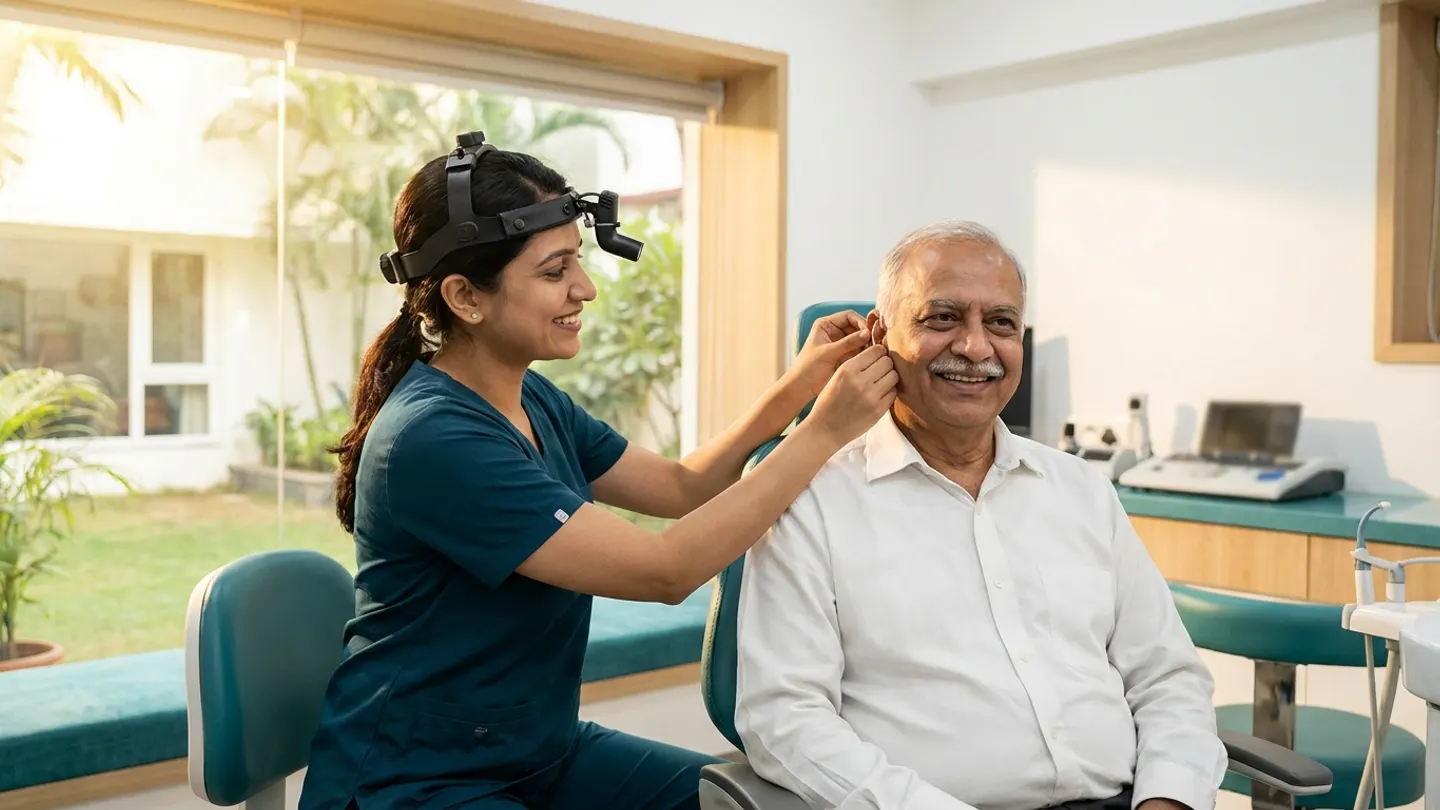
Facing a medical decision is hard enough. Facing a bill that could wipe out your savings, or a waiting list that stretches for months, makes it feel overwhelming. Thousands of patients every year find a practical alternative: high-quality, accredited care in India at a fraction of what they would pay at home. This guide walks you through every step, plainly and honestly.
What Does Getting Medical Treatment in India Actually Involve?
Getting medical treatment in India as an international patient means working through a clear sequence of steps: obtaining a second opinion from an Indian specialist, choosing an accredited hospital, arranging a medical visa, travelling, receiving treatment, and following a structured recovery plan before you fly home. The process is well-established and far more straightforward than most people expect, especially when a dedicated facilitator handles the coordination for you.
India treated more than 500,000 international patients in 2024 alone, across specialities ranging from cardiac surgery and joint replacement to cancer treatment, organ transplant, fertility care, and dental work. The country’s leading hospitals match global standards in technology and clinical outcomes while charging a fraction of Western prices.
Step 1: Confirm Your Diagnosis and Understand Your Treatment Options
Before you search for hospitals abroad, make sure your diagnosis at home is complete. Gather every document you have:
- Pathology and biopsy reports
- Recent scan images (MRI, CT, PET) in DICOM format on a USB drive or shared via a cloud link
- Blood work from the past three to six months
- Current medication list
- Your doctor’s written assessment and recommended treatment plan
With these in hand, you can request a remote second opinion from an Indian specialist. Most leading Indian hospitals offer this service within 48 to 72 hours, and it costs very little or nothing when arranged through a facilitator. The second opinion often clarifies whether the proposed surgery is truly necessary, whether a less invasive alternative exists, and what the realistic cost and timeline will be.
A second opinion from an Indian specialist is not about distrust — it is about giving yourself every piece of information before you commit to a major treatment path. Many patients are surprised to find that their diagnosis is confirmed quickly and a lower-cost surgical approach is available.
Step 2: Compare Costs and Choose a Hospital
Cost is almost always the reason patients start looking at India. The savings are real and significant.
Indicative Treatment Cost Comparison (2026 estimates)
| Treatment | United States | United Kingdom | Australia | UAE | India |
|---|---|---|---|---|---|
| Knee replacement (one knee) | $30,000 – $50,000 | $18,000 – $28,000 | $20,000 – $35,000 | $15,000 – $22,000 | $5,000 – $8,000 |
| Coronary bypass (CABG) | $70,000 – $130,000 | $35,000 – $60,000 | $40,000 – $70,000 | $25,000 – $45,000 | $6,000 – $12,000 |
| IVF (one cycle) | $15,000 – $25,000 | $6,000 – $10,000 | $8,000 – $15,000 | $7,000 – $12,000 | $2,500 – $4,500 |
| Liver transplant | $300,000 – $500,000 | $100,000 – $200,000 | $120,000 – $250,000 | $80,000 – $130,000 | $25,000 – $40,000 |
| Dental implants (per tooth) | $3,000 – $6,000 | $1,500 – $3,500 | $2,000 – $4,500 | $1,200 – $2,500 | $400 – $900 |
All figures are indicative price ranges for 2026. Individual quotes depend on clinical complexity, hospital tier, and room category. Prices include surgeon fees and standard hospital stay unless noted.
When comparing hospitals, look beyond the quoted price. Consider:
- Accreditation: JCI (Joint Commission International) and NABH (National Accreditation Board for Hospitals) are the two benchmarks you should insist on. They cover patient safety protocols, infection control, surgical standards, and staff credentials.
- International patient department: A dedicated team fluent in your language, experienced with foreign insurance and billing, makes a significant difference.
- Surgeon credentials and case volume: High-volume surgeons at teaching hospitals typically have lower complication rates for complex procedures.
- Location and connectivity: Major hubs like Delhi, Mumbai, Chennai, Hyderabad, and Bengaluru have direct international flights and excellent infrastructure.
See our full treatments and costs guide for procedure-by-procedure breakdowns.
Step 3: Apply for a Medical Visa (e-MV)
India operates a dedicated Medical Visa (e-MV) category for international patients. Key points:
- Apply online at the official Indian government e-visa portal
- You will need a letter from an Indian hospital confirming your appointment and treatment
- The e-MV is typically granted for up to 60 days per visit, extendable, and allows up to three entries
- One attendant (spouse, family member, or caregiver) can travel on a companion Medical Attendant visa (e-MAS)
- Processing typically takes three to five business days; allow a minimum of two weeks before travel
Your facilitator can supply the hospital invitation letter and help you compile the supporting documents correctly the first time, avoiding delays.
Step 4: Plan Your Travel and Accommodation
Your treatment journey has three distinct phases, each with accommodation needs:
Pre-operative phase (2 – 5 days): Pre-surgical consultations, blood tests, anaesthesia assessment. You will likely stay in a hotel or hospital guest house close to the facility.
In-hospital phase: Duration varies enormously by procedure. A single knee replacement typically means four to six nights in hospital; a liver transplant may require four to six weeks. Private rooms in leading Indian hospitals are comfortable and clean, and most have a couch or fold-out bed for an accompanying family member.
Recovery and discharge phase (5 – 21 days post-surgery): Your surgical team will clear you for the flight home only when you are medically stable. For major procedures, this recovery period in India is built into your itinerary. Budget for a serviced apartment or recovery-focused guest house during this time.
Practical checklist before you travel:
- Book direct flights where possible (reduces fatigue)
- Carry all original medical documents plus digital copies
- Bring a 90-day supply of any regular medications, clearly labelled
- Check your travel insurance covers the specific procedure abroad
- Inform your home doctor of your plans; arrange follow-up appointments before you leave
- Register with your country’s embassy in India (many provide this service online)
Step 5: Arrive, Consult, and Confirm Your Treatment Plan
On arrival, your hospital coordinator will meet you at the airport (standard practice at hospitals accustomed to international patients). Within the first day or two, you will have a face-to-face consultation with your treating specialist. This is the moment to ask every question you have saved up:
- What is the exact procedure you are recommending, and why?
- What are the realistic success rates for a patient with my profile?
- What are the risks, and how are complications managed here?
- What does recovery look like, and when can I travel home?
- What follow-up do you recommend once I am back home?
No reputable surgeon will rush this conversation. If you feel hurried, that is a warning sign.
Step 6: Undergo Treatment and Begin Recovery
After you consent and sign, the surgical team will proceed. Modern Indian tertiary hospitals use the same implants, prosthetics, chemotherapy protocols, and imaging technology found in top Western centres, often sourcing from the same global manufacturers.
Post-surgery, a physiotherapist, dietitian, or specialist nurse will work with you daily during your hospital stay. Discharge instructions are provided in English, and many hospitals offer a remote follow-up call within 48 hours of discharge.
For a detailed look at what to expect for specific treatments, explore our all treatments page or dive into pages such as orthopedics and joint replacement, cardiac surgery, cancer care, and organ transplant.
Step 7: Return Home and Continue Follow-Up Care
Before you fly, collect:
- Full discharge summary (in English)
- Operative notes and pathology reports
- Imaging on CD or USB
- Medication list with generic names (for your home pharmacist)
- Your Indian surgeon’s email or telemedicine contact for follow-up questions
Share these records with your home physician immediately on return. A follow-up video call with your Indian specialist is often available at low or no cost and provides continuity that reassures both you and your local doctor.
Common Concerns, Answered Honestly
“What if something goes wrong while I am in India?” Complications are managed on-site at the hospital. India’s top centres have 24-hour ICU cover, blood banks, and specialist backup. Extended stays are factored into contingency planning at the outset.
“Will my home insurance cover treatment in India?” Policies vary widely. Some international health insurance plans cover planned treatment abroad. Some home-country insurers will reimburse a portion. Always check your policy wording before you travel, and never assume coverage. A few countries have bilateral health agreements with India that may apply.
“How do I know the hospital is legitimate?” Verify JCI accreditation on the official JCI website, and NABH accreditation on the Quality Council of India website. Both maintain public searchable databases. Any facilitator worth working with will provide this verification upfront without being asked. Read our guide on are Indian hospitals good quality for a fuller breakdown of what these accreditations actually check.
How IndoMedTour Helps
You do not have to navigate this alone. When you book a free counselling call with our team, we listen to your situation, match you to accredited hospitals suited to your specific condition, and obtain written cost quotes so you can compare options with complete transparency. We handle medical visa support, airport transfers, accommodation, and — most importantly — assign a dedicated care coordinator who stays beside you from your first inquiry through surgery, discharge, and your journey home.
You bring the worry. We bring the plan.