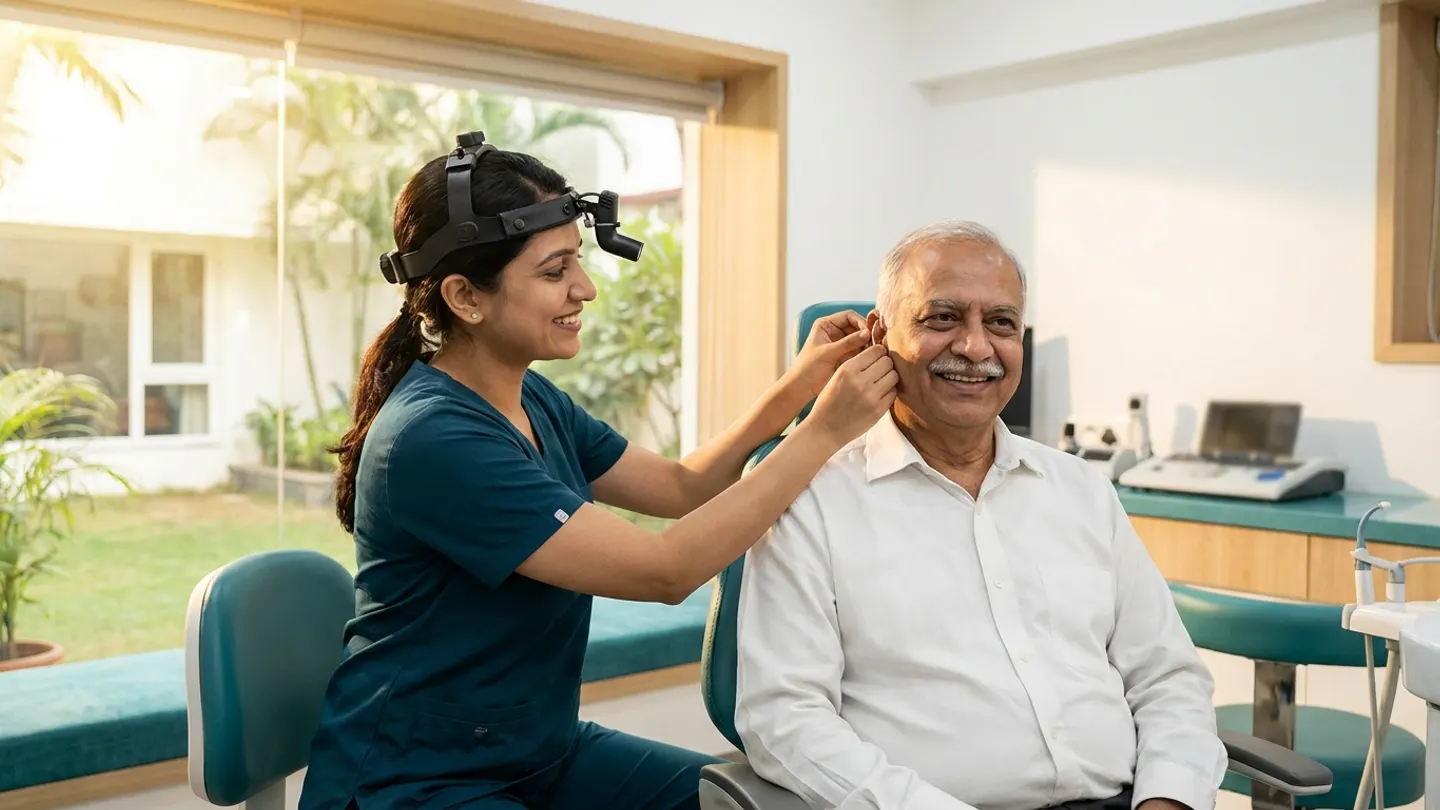
The waiting list alone can feel defeating. Many UK patients are told they face months on the NHS queue for haemorrhoid treatment, and the private clinic quote — when it finally arrives — can make the decision even harder. If you have been quietly researching alternatives, you are not alone, and there is a practical, safe path forward.
How Much Does Piles Surgery in India Cost for UK Patients?
Piles surgery India for UK patients typically costs between £800 and £1,600 all-inclusive — compared to £2,800 to £5,500 for equivalent private treatment in the UK. That figure generally covers your procedure, hospital stay, post-operative consultations, and transfers between hospital and hotel. International flights and accommodation add to the total, but even factoring those in, most UK patients save more than half compared to going private at home.
Why Is the Cost So Different?
The gap is not about cutting corners on quality. India’s lower cost of living, government-subsidised medical training, and high surgical volumes mean that world-class specialists can operate at prices the UK market simply cannot match. Many surgeons treating international patients trained in the UK, United States, or Australia and hold international fellowships. Hospitals accredited by JCI (Joint Commission International) or NABH (the Indian National Accreditation Board for Hospitals) follow the same patient-safety protocols you would expect from any reputable European facility.
Piles Treatment Cost Comparison: India vs UK, UAE, and Australia (2026 Estimates)
| Procedure | India (approx. £) | UK Private (approx. £) | UAE (approx. £) | Australia (approx. £) |
|---|---|---|---|---|
| Rubber band ligation (outpatient) | £200 – £400 | £800 – £1,500 | £700 – £1,200 | £900 – £1,600 |
| Laser haemorrhoidoplasty | £700 – £1,200 | £2,500 – £4,000 | £1,800 – £3,000 | £2,200 – £3,500 |
| Stapled haemorrhoidopexy (PPH) | £900 – £1,500 | £3,000 – £5,000 | £2,200 – £3,800 | £2,800 – £4,500 |
| Open haemorrhoidectomy | £900 – £1,600 | £3,200 – £5,500 | £2,000 – £3,500 | £2,500 – £4,800 |
All figures are indicative ranges for 2026. Costs vary by hospital grade, city, surgeon experience, and grade of piles. Always request a written quote before committing.
What Treatment Options Are Available in India?
Indian colorectal and general surgeons offer the full spectrum of haemorrhoid treatments, from conservative outpatient procedures to advanced day-case surgery. You will not be limited to one approach.
- Rubber band ligation — suitable for Grade 1 and 2 piles; outpatient, no general anaesthetic required
- Sclerotherapy injections — minimally invasive, typically day-case
- Laser haemorrhoidoplasty (LHP) — minimal post-operative pain, rapid return to normal activity; increasingly preferred for Grade 2 and 3 piles
- Stapled haemorrhoidopexy (PPH / MIPH) — less pain than open surgery, typically one overnight hospital stay
- Open haemorrhoidectomy (Milligan-Morgan) — the gold standard for Grade 3 and 4 or complex cases; usually 1-2 nights in hospital
Your surgeon will recommend the right approach after reviewing your colonoscopy report or clinical examination. Most UK patients arrive with a GP referral letter or recent investigation results, which speeds up the assessment process considerably. See our treatments and costs page for a fuller breakdown of colorectal procedure pricing.
Is Piles Surgery in India Safe for UK Patients?
“The question is not whether Indian hospitals are safe — many hold JCI accreditation, the same global gold standard that accredits hospitals in the UK and US. The real question is how to choose the right hospital and ensure the right support is in place before you travel.”
Patient safety at accredited hospitals is governed by the same infection-control, anaesthesia, and surgical outcome-tracking protocols you would find in Europe. In India’s major cities — Delhi, Mumbai, Chennai, Bengaluru, Hyderabad — dedicated international patient departments are staffed to handle language differences, insurance paperwork, and day-to-day logistics so you are never navigating the system alone.
That said, due diligence always matters. When researching independently, look for:
- JCI or NABH hospital accreditation (verifiable on the JCI website)
- A colorectal or general surgeon with published outcomes or recognised international training
- Clear written cost estimates before you book anything
- A single named coordinator who can be reached at any time during your stay
What Is the Typical Timeline for a UK Patient?
Piles treatment in India is one of the most straightforward procedures for medical tourists, partly because recovery is relatively quick and the risk of complications requiring urgent re-intervention is low.
A typical itinerary looks like this:
- Pre-travel (2-4 weeks): Share your medical records. Receive a written cost estimate. Apply for your e-Medical Visa and book flights.
- Day 1: Arrive in India, transfer to hotel, rest.
- Day 2: Outpatient consultation and pre-operative assessment.
- Day 3: Procedure (most cases are day-surgery or one overnight stay).
- Days 4-6: Rest at your hotel; post-operative review at the hospital.
- Day 7-10: Fly home once the surgeon has given clearance.
Most surgeons ask that you avoid long-haul flights for at least 5-7 days after the procedure. Laser and stapled procedures typically allow earlier discharge than open haemorrhoidectomy.
How to Prepare Before You Travel
Getting your paperwork in order before you leave the UK makes the whole experience significantly smoother:
- Obtain a GP referral letter or any recent gastroenterology or colorectal assessment notes
- Bring a full list of current medications (including any blood thinners — these may need pausing before surgery)
- Check your UK travel insurance policy; some specialist providers cover planned medical travel if declared in advance
- Carry copies of any relevant investigations (colonoscopy report, proctoscopy findings, ultrasound)
- Save your hospital’s international patient desk number and your coordinator’s contact details before you fly
The NHS Fit for Travel resource carries India-specific health guidance that is worth reviewing before departure.
What About Recovery Once You Are Back in the UK?
Post-operative recovery from haemorrhoid surgery is entirely manageable at home. For the first week, expect some soreness, and your surgeon will advise a high-fibre diet and sitz baths. Your India surgeon will provide a detailed written discharge summary you can share directly with your UK GP.
Most patients return to desk-based work within 1-2 weeks and are fully back to normal within 3-4 weeks, depending on the procedure chosen. Laser procedures tend to involve the fastest recovery; open haemorrhoidectomy takes a little longer. Because piles surgery is elective and the risk of serious long-term complications is low, reintegrating into NHS aftercare is typically very straightforward — your GP will be familiar with the discharge summary format and will manage any follow-up pain relief or wound care you need.
Practical Points: Visa, Insurance, and What If Something Goes Wrong
Visa: UK passport holders qualify for an e-Medical Visa for treatment travel to India. Applications are made online through the Indian government portal, are usually approved within 3-5 business days, and cost approximately £25-£30. Your hospital or coordinator supplies the invitation letter required to complete the application.
Insurance: Standard travel insurance does not cover pre-planned elective surgery. Specialist medical travel insurance policies do exist — a broker can help you identify the right cover. Some self-funded patients simply weigh the cost saving against the policy premium and decide the numbers make sense either way.
If something goes wrong at home: Complications after haemorrhoid surgery are uncommon, but bleeding, infection, or urinary retention in the first week do occasionally occur. Your India surgeon remains reachable by phone or email for guidance, and your UK GP or A&E can manage acute issues locally. Your discharge summary will clearly set out what is normal and what requires urgent attention — never leave India without a copy of that document.
Explore how it works to understand the step-by-step process from your first enquiry to arriving home. You can also browse our hospitals and read success stories from patients who have made a similar journey.
How IndoMedTour Helps
From your first free counselling call to the day you board your return flight, IndoMedTour handles every detail that would otherwise feel overwhelming: matching you to the right JCI- or NABH-accredited hospital, collecting written cost quotes so you can compare clearly, arranging your e-Medical Visa invitation letter, booking airport transfers, and assigning a dedicated coordinator who stays beside you through surgery and recovery. We work only with facilities and surgeons we have verified directly, there are no hidden fees, and you are never pushed toward a hospital that does not fit your clinical needs. You bring the worry. We bring the plan.