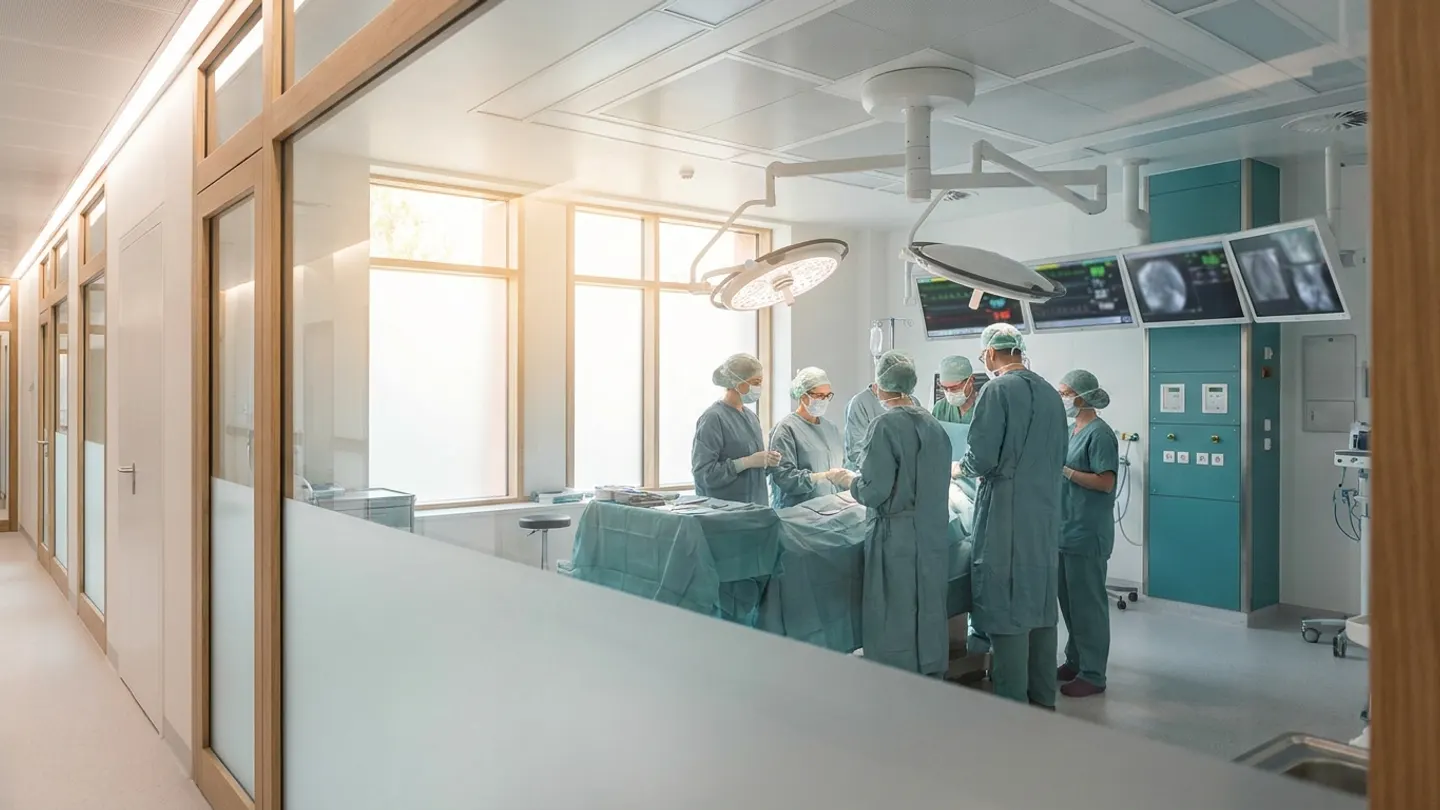
When a cardiologist tells you your child — or you — has a hole in the heart, the world stops. Then the bills arrive, and a new fear sets in: the quoted cost at home is terrifying, or the waiting list stretches to months you do not have.
VSD Closure Surgery Cost in India: The Direct Answer
VSD closure surgery cost in India starts at approximately $3,500 for transcatheter (device) closure and $4,500 for open-heart surgical repair, all-inclusive. That compares with $40,000 to $80,000 or more for the same procedure in the United States, meaning most international families save between 70% and 85% without giving up quality of care.
A ventricular septal defect (VSD) is an opening in the muscular wall that separates the heart’s two lower chambers. Small VSDs sometimes close on their own during infancy; larger or symptomatic ones require either a minimally invasive catheter-based procedure or open-heart surgery to seal the defect permanently. India’s accredited cardiac hospitals perform thousands of these procedures each year, with outcomes that consistently match those published by leading Western centres.
Two Main Approaches, Two Different Cost Ranges
The technique your cardiologist recommends depends on the size, location, and type of the VSD. Both are widely available across India’s major cardiac hospitals.
Transcatheter (Device) Closure
A thin catheter is guided through a vein into the heart, and a small disc-shaped occluder device is deployed to plug the hole. No open chest incision is required. Recovery is fast — most patients leave hospital within two to three days. This approach suits the majority of perimembranous and muscular VSDs where the anatomy is favourable.
Open-Heart Surgical Repair
The surgeon opens the chest under cardiopulmonary bypass and closes the defect using a synthetic patch or direct sutures. This is the standard for large, complex, or multiple VSDs, or when the anatomy makes device placement unsafe. Hospital stay is typically five to seven days, with a slightly longer overall recovery before flying home.
Your cardiologist will confirm which option applies after reviewing your echocardiogram — and in India, that review can begin online before you travel.
VSD Closure Cost Comparison: India vs Other Countries
The table below shows indicative 2026 price ranges in US dollars, covering the main procedure, anaesthesia, ICU, standard ward stay, and surgeon fees. Flights, accommodation outside hospital, and visa costs are not included.
| Country | Device (Transcatheter) Closure | Open-Heart Surgical Repair |
|---|---|---|
| India | $3,500 – $7,000 | $4,500 – $9,000 |
| United States | $40,000 – $80,000 | $60,000 – $120,000 |
| United Kingdom | £18,000 – £35,000 | £25,000 – £50,000 |
| Australia | A$25,000 – A$50,000 | A$35,000 – A$70,000 |
| UAE | $15,000 – $28,000 | $18,000 – $35,000 |
Even after adding return flights, two weeks of accommodation, and meals for a travelling parent or guardian, most families spend considerably less than the domestic cost of the procedure in the US, UK, or Australia.
“We had been quoted over $72,000 in the US for our son’s VSD repair. The all-inclusive package in India — five nights in hospital, the paediatric cardiac surgeon’s fee, the device, and two follow-up echocardiograms before departure — came to just under $6,500. We were astonished by the standard of care.” — Representative patient experience; details have been changed to protect privacy.
What Is Typically Included in an India Package Price
Reputable hospitals and facilitators quote comprehensive packages that cover:
- Pre-operative consultations and full diagnostic workup (echocardiogram, ECG, chest X-ray, blood panel)
- Surgeon’s fee, anaesthetist’s fee, and catheterisation laboratory or operating theatre charges
- ICU and general ward stay for the standard duration
- Cost of the occluder device itself (for transcatheter closure)
- Standard post-operative medicines, dressings, and nursing care
- Discharge summary and a follow-up echocardiogram before you fly home
Not usually included: international flights, hotel accommodation outside hospital, travel insurance, and any additional procedures if unexpected complications arise. Always request a written, itemised quote before confirming your booking — and verify what happens if a planned device closure needs to be converted to open surgery.
Is VSD Surgery in India Safe? Quality Standards to Look For
This is the question every parent asks first, and it deserves a clear answer. India’s leading cardiac centres hold JCI (Joint Commission International) or NABH accreditation — the same independent quality benchmarks applied to hospitals in the United States and the Middle East. Senior paediatric cardiac surgeons at these institutions frequently trained at centres in the UK, US, Germany, or Singapore before returning to practice in India.
Reported success rates for VSD device closure at accredited Indian centres exceed 98%, consistent with published Western data. When you are evaluating hospitals, ask each one in writing:
- What is your annual VSD procedure volume for paediatric and adult patients?
- Is the centre JCI- or NABH-accredited, and can you share the certificate?
- What is your device closure success rate and conversion-to-surgery rate over the past 12 months?
- Who specifically will perform my child’s procedure, and what are their fellowship credentials?
A reputable hospital will answer all of these questions before you commit to anything. Browse our hospitals page for a curated shortlist of accredited cardiac centres we work with.
Understanding VSD Types — and Why They Affect Cost
Not all VSDs are identical, and the defect’s location changes both the surgical approach and the overall price. Your cardiologist’s echocardiogram will identify the type:
- Perimembranous VSD (most common, near the aortic valve): Often suitable for device closure if the anatomy permits; approximately 70% of all VSDs fall into this category.
- Muscular VSD: Typically closed by device, and some close spontaneously in early infancy.
- Inlet VSD (near the tricuspid valve): Usually requires open-heart repair.
- Outlet (supracristal) VSD: Carries a risk of aortic valve involvement; surgical repair is more common and the surgical fee may be slightly higher.
An experienced paediatric cardiologist at a partner hospital can review your existing echocardiogram reports online before you travel, so the recommended approach and written cost estimate are in your hands before you book a single flight. See treatments and costs for a broader overview, or explore our cardiac surgery treatments page for related procedures.
Planning the Trip: Practical Details
Which City
Delhi, Mumbai, Chennai, Bengaluru, and Hyderabad all have accredited cardiac programmes experienced with international patients. Chennai and Delhi in particular have long served as regional referral hubs for cardiac surgery from South Asia, the Middle East, and East Africa, so teams there are very practised at managing international families through every step.
Visa and Timeline
Most nationalities qualify for India’s e-Medical Visa, approved online within three to five business days. Plan to arrive at least two days before your procedure to allow for final pre-operative assessments. Budget a total trip of 12 to 16 days for device closure and 16 to 22 days for open-heart repair, to allow safe post-operative recovery before the return flight.
What to Bring
- All existing cardiac records: echo reports, ECG printouts, cardiology referral letters, any prior catheterisation reports
- A current medication list with dosages
- Travel insurance policy documents (cardiac-specific coverage is strongly recommended)
- Comfortable, loose-fitting clothing for post-operative days
- Any dietary or cultural requirements (Indian hospitals accommodate a wide range of needs)
For a complete pre-travel checklist and step-by-step preparation guide, visit how it works, or book a free counselling call to go through it personally with one of our care coordinators.
Considering Related Cardiac Care
Some patients travelling for VSD repair discover related issues during their pre-operative workup. Our partner hospitals offer full cardiac diagnostic and intervention services under one roof, and our success stories page includes accounts from families who navigated complex multi-step cardiac care in India. For patients with broader cardiac needs, explore the full range of options on our cardiac surgery page.
How IndoMedTour Helps
When you reach out to us, our first step is always a free, no-obligation call with a coordinator who has guided hundreds of cardiac families to India. We match you with two or three accredited hospitals best suited to your child’s specific defect type, obtain written itemised quotes in your home currency, and walk you through the e-Medical Visa application from start to finish. A dedicated coordinator stays in active contact from the moment you land to the moment you board your flight home — including daily check-ins during the hospital stay. You bring the worry. We bring the plan.