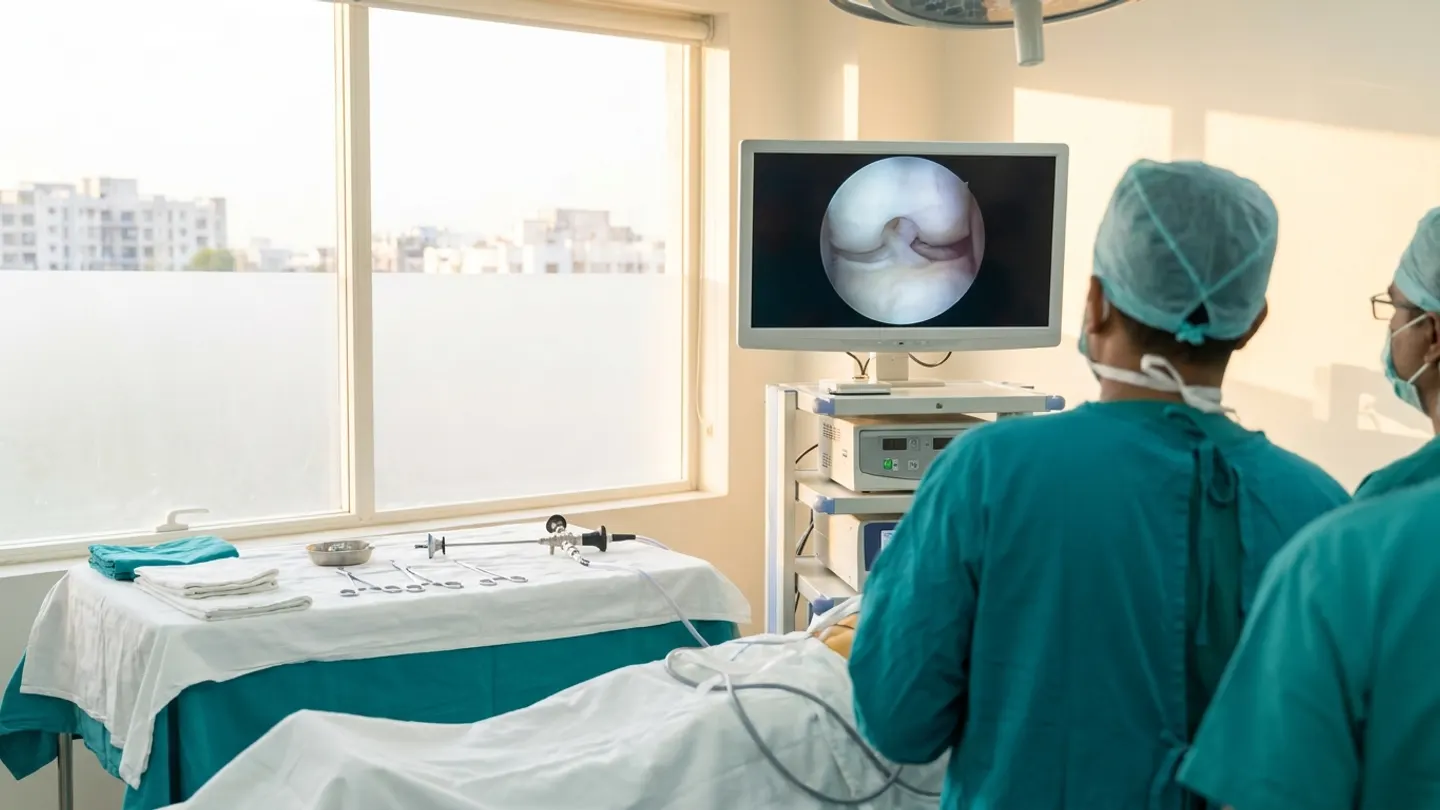
Living with end-stage ankle arthritis can turn every step into a negotiation with pain. If you’ve been quoted $30,000 or more for total ankle replacement at home, or told you’ll wait over a year for a specialist appointment, you’re right to look for another path forward.
What Does Ankle Replacement Surgery Cost in India?
Ankle replacement surgery cost in India typically ranges from $5,500 to $9,000 USD (approximately INR 4.5 lakh to INR 7.5 lakh), covering the implant, surgery, anaesthesia, hospital stay, and initial physiotherapy. That is 60 to 75% less than what the same procedure costs in the United States, United Kingdom, or Australia — with no compromise on implant quality or surgical skill.
This cost difference is not a shortcut. It reflects India’s lower operational overheads, government incentives for medical tourism, and a fundamentally different pricing structure for healthcare. The implant going into your ankle can be the same globally certified system used in hospitals in New York or London.
How India Compares to Other Countries
| Country | Approximate Total Cost (USD) | Typical Wait for Surgery |
|---|---|---|
| India | $5,500 – $9,000 | 1 – 3 weeks |
| United States | $28,000 – $45,000 | 2 – 6 months |
| United Kingdom (private) | $20,000 – $32,000 | 3 – 9 months (NHS) |
| Australia | $18,000 – $28,000 | 2 – 5 months |
| UAE / Dubai | $14,000 – $22,000 | 2 – 4 weeks |
All figures are indicative 2026 ranges and vary by hospital tier, city, implant brand, and individual clinical needs. Costs in your home country may differ based on insurance coverage.
Why Is Total Ankle Replacement Cheaper in India?
Total ankle replacement (TAR) is a technically demanding procedure. A surgeon removes the damaged joint surfaces of the tibia and talus and replaces them with a precision-fitted metal and polyethylene implant system. Unlike ankle fusion, TAR preserves movement — a meaningful quality-of-life advantage that makes it worth the higher complexity.
In the US and UK, the bill is driven by hospital facility fees, surgical team billing rates, implant markups, and layers of administrative cost that have little to do with the care you actually receive. India’s cost structure is simply different. Surgeon salaries, hospital overheads, and nursing costs are all substantially lower. The savings pass directly to the patient.
What Affects Ankle Replacement Surgery Cost in India?
No two quotes will be identical. These are the main variables your IndoMedTour coordinator will walk you through before you receive a written estimate.
Type and Brand of Implant
The implant is often the single largest cost component. Fixed-bearing two-component designs are less expensive than mobile-bearing three-component systems. Imported, internationally branded implants (from manufacturers such as Stryker, Zimmer Biomet, or Wright Medical) cost more than locally certified alternatives. Most international patients choose a globally recognised brand for peace of mind, which is a reasonable priority.
Hospital Tier and City
Tier-1 cities — Mumbai, Delhi, Chennai, Hyderabad, and Bangalore — host India’s largest multi-specialty hospitals, with dedicated orthopaedic blocks, advanced imaging, and ICU-level post-operative monitoring. Costs at these facilities sit toward the higher end of the range. For a procedure as specialised as total ankle replacement, access to a high-volume, experienced surgeon is worth prioritising over the savings available at a smaller centre.
Pre-Surgery Diagnostics and Consultations
Weight-bearing CT scans, ankle MRI, full blood panels, and cardiological clearance are typically priced separately from the surgical package. Budget approximately $300 to $600 for a thorough pre-operative work-up. Many hospitals bundle diagnostics into a “medical tourism package” — always request an itemised written quote before committing.
Length of Hospital Stay
Most patients spend 3 to 5 days in hospital after a total ankle replacement. Extended stays due to clinical need or personal preference add to the total cost.
Is Ankle Replacement Surgery in India Safe?
This is the question every international patient asks first, and it deserves a straight answer.
India has more than 30 JCI-accredited hospitals (Joint Commission International is the global benchmark for hospital quality) and several hundred NABH-accredited facilities. The orthopaedic departments at these centres operate under protocols comparable to those in top Western hospitals. Total ankle replacement is a less common procedure than hip or knee replacement, which means surgeon selection matters considerably. You want a surgeon performing at least 30 to 50 total ankle replacements per year, with demonstrable outcomes data.
“The implant brand going into my ankle was the same system my surgeon at home had quoted me. What changed was the waiting time, the price, and the level of personal attention I received from the moment I landed.” — Representative patient experience from our care network.
IndoMedTour verifies surgeon credentials, implant provenance, and hospital accreditation status independently before making any recommendation. You receive written confirmation of all three before booking a flight. Explore our hospitals page for an overview of the facilities in our network.
Recovery Timeline: How Long Will You Need to Stay?
Recovery from total ankle replacement follows a predictable sequence, though every patient heals at their own pace. Here is what a typical timeline looks like:
- Days 1–3 in hospital: Limb elevated and immobilised; pain controlled with IV medication; drain removal around day 2.
- Week 1–2: Discharge to recovery accommodation near the hospital; non-weight-bearing with crutches; daily wound checks.
- Week 3–4: Transition to a walking boot; supervised physiotherapy begins; most patients are medically cleared to fly home by the end of week 4.
- Months 2–3: Progressive weight-bearing at home; continued physiotherapy with your local provider.
- Month 6 onwards: Return to normal daily activities. Full functional recovery typically takes 12 to 18 months.
Plan for a minimum of 3 to 4 weeks in India. Returning home too early carries genuine clinical risks, including deep vein thrombosis from a long flight, wound complications, and difficulty accessing emergency orthopaedic care abroad. Your coordinator helps you plan a stay that is medically appropriate, not just logistically convenient.
What to Prepare Before You Travel
- All existing imaging (X-rays, MRI, CT scans) in digital format on a USB drive or shared cloud link
- A complete, current medication list with dosages
- Travel insurance that explicitly covers pre-existing conditions and surgical complications abroad
- A travel companion — ankle replacement significantly limits mobility in the first two weeks
- Comfortable loose-fitting trousers and a wide-fit sandal or slipper for the operated foot
Who Is a Good Candidate for Total Ankle Replacement?
Total ankle replacement is most appropriate for patients who have end-stage ankle arthritis (whether osteoarthritic, rheumatoid, or post-traumatic in origin), persistent pain that limits daily life despite conservative treatment, and adequate bone quality and joint alignment. It tends to suit patients with lower-impact activity demands, since high-impact sport is generally not recommended after TAR.
Ankle fusion remains a valid alternative for younger, highly active patients or those with significant deformity. A good orthopaedic surgeon will discuss both options honestly during your pre-operative consultation. See our orthopedics and joint replacement treatment page for a detailed comparison, and our full treatments and costs guide for broader context.
Practical Next Steps
Once you decide to explore treatment in India, the process is more straightforward than most patients expect. A typical journey looks like this:
- Share your imaging and medical history with IndoMedTour via our free counselling call.
- Receive written quotes from two or three matched, accredited hospitals within 48 hours.
- Choose your hospital and surgeon; IndoMedTour arranges the medical visa invitation letter.
- Travel, undergo surgery, and recover with a dedicated coordinator on-call throughout.
- Return home with a full discharge summary and rehabilitation protocol for your local physiotherapist and GP.
Virtual follow-up appointments with your Indian surgical team can be arranged before you leave India, so continuity of care does not end at the departure gate. Read how it works for a step-by-step overview of the full journey, and browse our success stories from patients who took the same step you’re considering.
How IndoMedTour Helps
When you book a free counselling call, our care team reviews your medical records, matches you with JCI or NABH-accredited hospitals experienced in total ankle replacement, and arranges written itemised cost quotes within 48 hours. We handle your medical visa invitation letter, accommodation near the hospital, airport transfers, and daily coordinator support from your arrival through to your return flight. Your dedicated coordinator stays beside you through surgery and the recovery period, and remains reachable for 90 days post-procedure.
You bring the worry. We bring the plan.