A diagnosis of aplastic anemia turns your world upside down almost overnight. If your doctor has told you that a bone marrow transplant is your best — or only — path to a cure, you are now dealing with two fears at once: the fear of the procedure itself, and the shock of what it costs.
Aplastic Anemia Bone Marrow Transplant Cost India: The Direct Answer
Aplastic anemia bone marrow transplant cost in India ranges from approximately $18,000 to $40,000 USD for international patients, covering pre-transplant conditioning, the transplant procedure, a 30-day in-hospital stay, and standard post-transplant follow-up. That is typically 70 to 80 percent less than the total treatment cost in the United States, where bills frequently exceed $200,000 once hospital fees, specialist charges, and immunosuppressive drugs are added together.
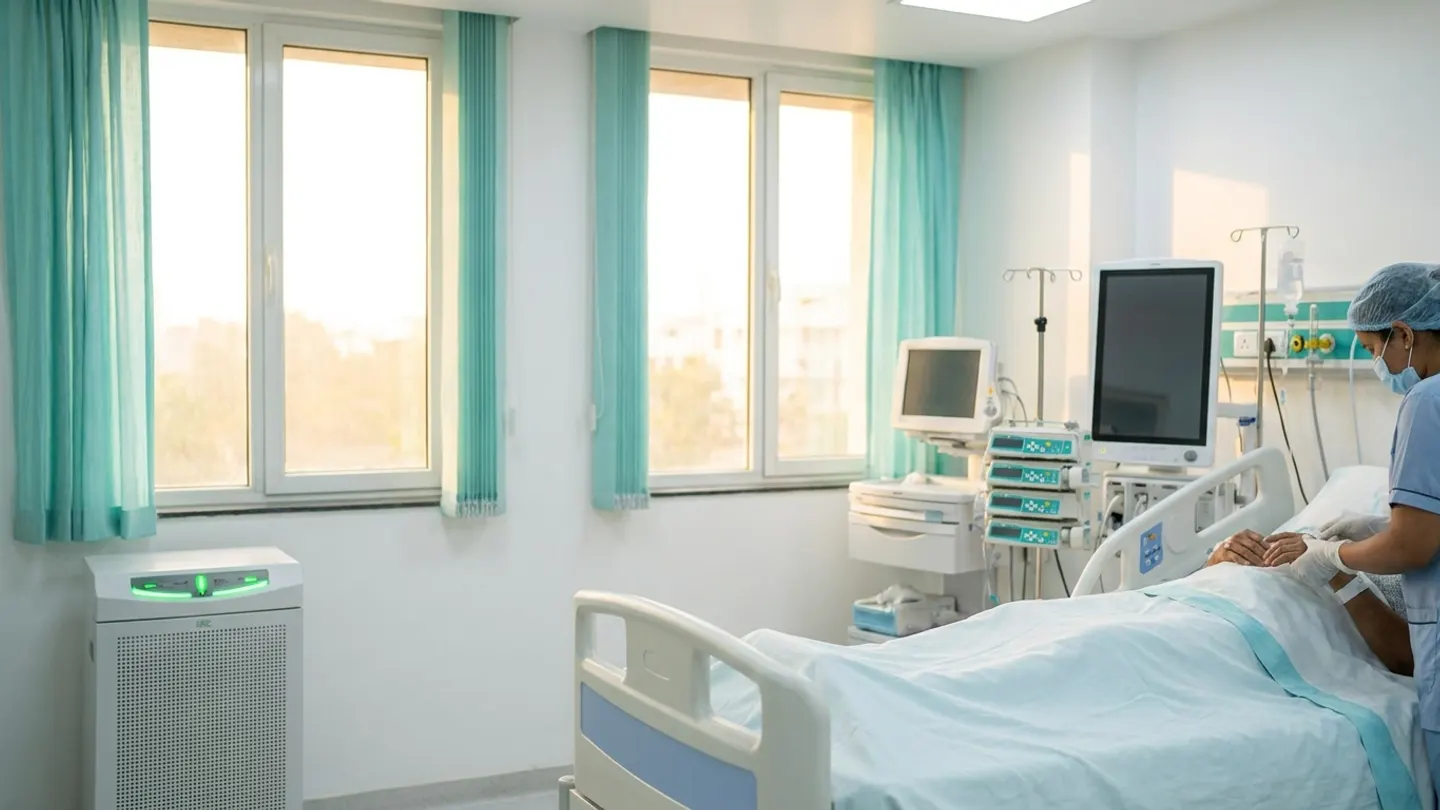
This is not a compromise on quality. India’s leading transplant centres operate bone marrow transplant units with laminar airflow rooms, HLA-matched donor registries, and senior haematologists who trained at institutions in the US, UK, and Europe.
Why the Price Gap Exists
The cost gap between India and Western countries comes down to structural economics, not a difference in care. Labour costs, hospital overheads, and drug procurement prices in India are a fraction of those in the US or Australia. The drugs, protocols, and equipment used — cyclosporine, anti-thymocyte globulin, high-dose conditioning chemotherapy, HEPA-filtered transplant suites — are the same internationally recognised standards. You pay less because the healthcare system around them costs less to run.
Cost Comparison: Aplastic Anemia BMT by Country (2026)
| Country | Estimated Total Cost (USD) | Includes |
|---|---|---|
| India | $18,000 – $40,000 | Transplant, hospital stay, conditioning, early follow-up |
| United States | $200,000 – $400,000 | Transplant only; drugs and follow-up often billed separately |
| United Kingdom | £80,000 – £150,000 (private) | Varies; NHS queue can be 6-18 months for matched unrelated donor |
| Australia | AUD 150,000 – AUD 280,000 | Private hospital; public waitlists for MUD transplants are long |
| UAE / Gulf | $80,000 – $130,000 | Limited MUD registry access; complex cases often referred to India |
All figures are indicative 2026 ranges. Your final quote depends on donor type, conditioning regimen, complications, and length of stay. Request a written estimate before committing.
What Drives the Cost Within India
Not every bone marrow transplant is the same procedure, and the type you need is the single biggest factor in your final bill.
Matched Sibling Donor (MSD) Transplant
A matched sibling transplant — where a brother or sister is the donor — is the most cost-effective path. The donor work-up is simpler, engraftment rates are higher, and the risk of graft-versus-host disease is lower. In India this type of transplant typically costs $18,000 to $28,000.
Matched Unrelated Donor (MUD) Transplant
When no sibling is a match, doctors search international bone marrow registries such as DKMS or the National Marrow Donor Program. Accessing a registry donor adds fees and increases complexity. MUD transplants in India typically cost $28,000 to $40,000, and the search process can add several weeks.
Haploidentical (Half-Match) Transplant
Haplo transplants use a parent, child, or half-matched sibling as the donor and rely on advanced T-cell depletion or post-transplant cyclophosphamide protocols. This option has expanded access for patients without a full match and typically falls in the $30,000 to $45,000 range in India.
Factors That Can Increase Your Total
- Extended hospitalisation beyond 30 days due to infections or slow engraftment
- Treatment of graft-versus-host disease (GVHD) if it develops
- Additional lines of immunosuppressive therapy
- ICU stays, if required
- The cost of a companion’s accommodation and local transport over 60 to 90 days
“Getting a written, itemised cost estimate before you travel is essential. Ask for a breakdown that separates the procedure, drugs, hospital stay, and follow-up consultations — and ask the hospital what happens to your bill if your recovery takes longer than planned.”
Is India Safe for Such a Serious Procedure?
This is the question every family asks first, and it is the right question to ask.
India’s transplant centres that accept international patients universally hold JCI (Joint Commission International) or NABH accreditation, the quality benchmarks recognised by governments and insurers worldwide. Many senior haematologists at these hospitals have published in peer-reviewed international journals and hold fellowship training from centres in the US, UK, and Germany.
The key quality markers to check for any centre you consider:
- Dedicated bone marrow transplant unit with HEPA-filtered, positive-pressure rooms
- HLA typing laboratory on-site or with a certified partner
- Access to an international unrelated donor registry (DKMS, NMDP, or WMDA)
- At least 50 allogeneic transplants performed per year
- A multidisciplinary team covering haematology, infectious disease, and transplant nursing
- A JCI or NABH accreditation certificate that is current (not expired)
IndoMedTour verifies all of these points before recommending a centre. See our hospitals for the shortlist we currently work with.
The Treatment Journey: What to Expect
Understanding the timeline helps reduce the fear of the unknown.
Pre-travel (4-8 weeks before you fly) Your medical records — bone marrow biopsy, blood counts, HLA typing of you and any siblings — are reviewed by the transplant team remotely. A written treatment plan and cost estimate are issued before you book any flight.
Arrival and work-up (1-2 weeks) On arrival, the team runs their own confirmatory tests, performs final HLA matching, and begins the donor work-up. You and your companion are guided through the process by your IndoMedTour coordinator.
Conditioning and transplant (1-2 weeks) High-dose chemotherapy or immunosuppressive therapy destroys the diseased bone marrow. The donor stem cells are then infused — a procedure that looks similar to a blood transfusion.
Engraftment and monitoring (3-5 weeks in hospital) The most critical phase. The new marrow begins to produce healthy blood cells. You remain in the BMT unit, closely monitored for infection, GVHD, and engraftment failure.
Outpatient recovery (4-6 weeks near the hospital) Once discharged, you stay close to the hospital for daily or near-daily outpatient reviews. Most international patients stay in serviced apartments within 15 minutes of the hospital.
Medical clearance to fly home Your haematologist will only clear you to travel when blood counts are stable, there is no active infection, and early GVHD (if any) is controlled.
What to Bring and Plan For
- All original medical records, biopsy slides, and recent blood work
- HLA typing results for yourself and any potential sibling donors
- Adequate medical insurance or confirmation of self-pay funds
- A companion who can stay with you for the entire 60 to 90 day period
- Travel insurance that covers medical evacuation (rare, but important to have)
For a fuller planning checklist, visit how it works and treatments and costs.
Explore the broader organ transplant treatment page for related procedures including kidney and liver transplants.
How IndoMedTour Helps
When you reach out to us on a free counselling call, we listen first — then match you with two or three JCI or NABH-accredited transplant centres that have genuine experience with aplastic anemia cases. We collect your records, get written cost estimates in your currency, and brief you honestly on timelines, risks, and what the recovery period realistically looks like. Once you decide to travel, your dedicated coordinator handles visa support, airport transfers, accommodation close to the hospital, and stays beside you and your family from the day you land to the day you fly home safely. You bring the worry. We bring the plan.