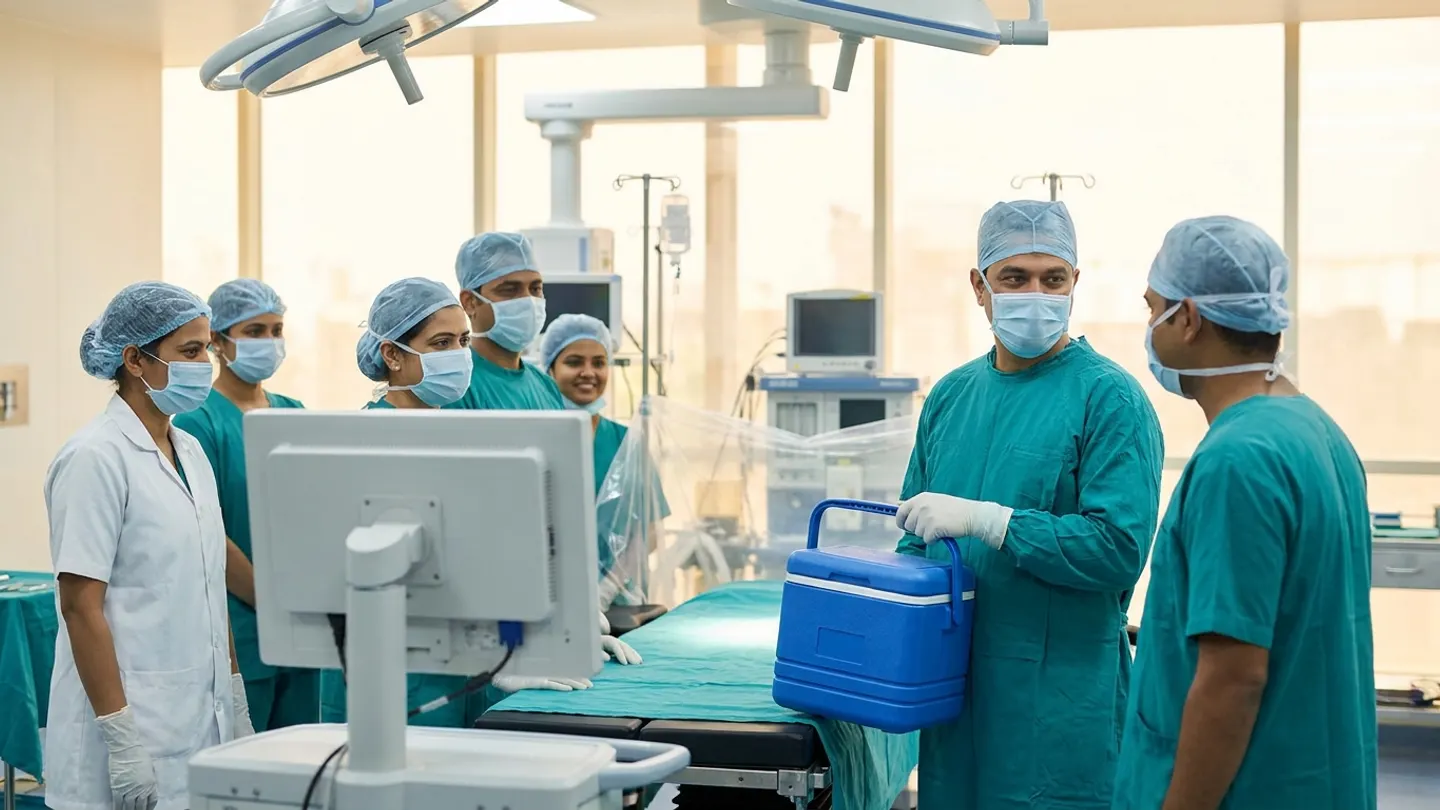
Worrying about what comes after surgery is entirely natural. For many kidney transplant patients, the weeks following discharge feel more uncertain than the operation itself — you may be in an unfamiliar city, far from your usual doctor, wondering whether you will recognise a warning sign if something goes wrong. The reassuring reality is that kidney transplant aftercare in India is structured, closely supervised, and surprisingly thorough, even for international patients navigating the process thousands of kilometres from home.
What Kidney Transplant Aftercare in India Actually Involves
Kidney transplant aftercare in India follows international evidence-based protocols built around three goals: preventing organ rejection, guarding against infection while your immune system is deliberately suppressed, and restoring normal kidney function as quickly as possible. For most international patients, the total in-country aftercare period runs four to six weeks before a formal handover is made to your nephrologist at home.
NABH- and JCI-accredited transplant centres assign a dedicated transplant coordinator to every patient from the day of admission. You will not be discharged and left to manage alone. Every blood result, every dose adjustment, and every clinic visit is tracked as part of a structured programme.
The First Two Weeks: Daily Monitoring
The first 14 days after discharge are the most intensive phase of kidney transplant aftercare. Expect frequent contact with your transplant team:
- Daily or every-other-day blood tests (creatinine, urea, electrolytes, tacrolimus trough levels)
- Surgical wound inspection and dressing changes
- Blood pressure and urine output monitoring
- Adjustment of immunosuppressant doses based on lab results
- Screening for cytomegalovirus (CMV) and other opportunistic infections
Most transplant hospitals in India run dedicated morning transplant clinics, so these visits are fast and focused. Your coordinator will schedule every appointment before you leave the ward and accompany you if needed.
Weeks Three to Six: Stabilisation and Tapering
By the third week, if creatinine is stable and no rejection episodes have occurred, clinic visits typically reduce to two or three times a week. This phase focuses on:
- Slowly tapering prednisolone toward a long-term maintenance dose
- Fine-tuning tacrolimus and mycophenolate levels
- Introducing a graduated walking programme
- Dietary counselling with the hospital’s renal dietitian
- Preparing the written medication handover letter for your home nephrologist
At the end of this phase, your transplant surgeon and nephrologist will review all results and, if satisfied, formally clear you to travel.
Your Immunosuppressant Medication Routine
The immunosuppressant regimen after a kidney transplant is not optional — it is the difference between your body accepting and rejecting the new organ. The standard triple therapy used across India’s major transplant centres mirrors global practice:
| Medication | Role | Typical timing |
|---|---|---|
| Tacrolimus (FK506) | Primary anti-rejection agent | Twice daily, fixed times |
| Mycophenolate mofetil | Secondary immunosuppressant | Twice daily with food |
| Prednisolone | Anti-inflammatory, anti-rejection | Once daily, morning |
| Trimethoprim-sulfamethoxazole | Pneumocystis prophylaxis | Daily for 6-12 months |
| Valganciclovir (if CMV risk) | CMV prophylaxis | Daily for 3-6 months |
Before you fly home, your team will provide a full written prescription, generic and brand-name equivalents available in your country, and specific blood-level targets (typically tacrolimus 8-12 ng/mL in the first three months, tapering thereafter). Never stop or reduce any immunosuppressant without your nephrologist’s guidance — even missing a single dose raises rejection risk significantly.
Diet and Lifestyle During Kidney Transplant Aftercare in India
Renal diet rules change considerably after a successful transplant. Many of the strict potassium and phosphorus limits from dialysis days are relaxed, but new cautions apply because of immunosuppression.
Foods to favour:
- Cooked vegetables and well-washed fruits (raw salads carry infection risk in the first three months)
- Lean protein — chicken, fish, eggs, lentils — to support wound healing
- Whole grains and low-fat dairy for calcium and energy
Foods and habits to avoid:
- Grapefruit and pomelo (they interfere with tacrolimus metabolism and can raise drug levels dangerously)
- Raw or undercooked meat and shellfish
- Unpasteurised dairy products
- Large crowds or close contact with anyone carrying an active infection in the first month
Walking 20 to 30 minutes a day from the second week onward is actively encouraged. Strenuous exercise, heavy lifting, and swimming in public pools should wait until your surgeon formally clears you — typically around three months post-transplant.
Comparing Kidney Transplant Costs: India vs Other Countries
One of the most common reasons international patients choose kidney transplant care in India is cost. The total package — surgery, hospital stay, and the six-week aftercare period — is dramatically more affordable than equivalent care in most Western countries or the Gulf.
| Country | Kidney transplant + 6-week aftercare (approx.) |
|---|---|
| United States | USD 150,000 – 300,000 |
| United Kingdom | GBP 25,000 – 50,000 (private) |
| Australia | AUD 80,000 – 150,000 (private) |
| UAE | USD 60,000 – 90,000 |
| India | USD 13,000 – 22,000 |
Figures are indicative 2026 ranges for private and international patients, including surgical fees, a 10-14 day hospital stay, immunosuppressants, and outpatient follow-up. Donor matching, travel, and accommodation costs vary by centre and city. Visit our treatments and costs page for a personalised written estimate.
Warning Signs: When to Call Your Team Immediately
The most important skill you develop during kidney transplant aftercare in India is recognising rejection and infection early. Your transplant coordinator’s number should be saved in your phone from day one.
Contact your team immediately if you notice:
- A sudden rise in creatinine on your blood results
- Decreased urine output, or urine that becomes dark or cloudy
- Swelling, redness, or discharge at the surgical wound
- Fever above 38 °C (100.4 °F) at any time
- Pain or tenderness over the transplanted kidney site (lower abdomen)
- Persistent nausea, vomiting, or inability to keep medications down
- Unexplained shortness of breath or chest discomfort
“The first three months are when your immune system and the new kidney are negotiating. Most rejection episodes that are caught early can be reversed with a short course of high-dose steroids — but every hour of delay matters. Never wait until Monday to call about a Saturday fever.” — Transplant Nephrology Team, IndoMedTour Partner Network
How Long Before International Patients Can Fly Home?
Most international patients receive clearance to fly four to six weeks after a kidney transplant. Your team will confirm this only when creatinine is stable, immunosuppressant levels are therapeutic, there are no active infections, and your home nephrologist has confirmed they are ready to take over your care.
Long-haul flights of over six hours require extra planning. Carry all medications in your hand luggage with a doctor’s letter, stay well hydrated in-flight, walk the aisle every two hours to prevent blood clots, and arrange a follow-up blood test within 48 hours of landing. Your IndoMedTour coordinator will help you prepare this travel health checklist before departure and will send your complete medical file directly to your home doctor.
JCI and NABH Accreditation: Why It Matters for Aftercare
When choosing where to receive kidney transplant aftercare in India, look for hospitals holding JCI (Joint Commission International) or NABH (National Accreditation Board for Hospitals) accreditation. These certifications confirm that the centre meets rigorous, independently audited standards for infection control, medication safety, patient record-keeping, and clinical protocols — the exact areas that matter most during the vulnerable post-transplant period.
India’s leading transplant programmes, located in cities such as Chennai, Hyderabad, Delhi, Mumbai, and Bangalore, hold both accreditations and have decades of experience caring for international patients. You can compare accredited centres by city and specialty on our our hospitals page.
For a broader view of what India’s organ transplant centres offer — including living-donor and deceased-donor programmes — visit our organ transplant treatments page.
How IndoMedTour Helps
A kidney transplant is one of the biggest decisions of your life, and the aftercare period that follows is just as important as the surgery itself. IndoMedTour connects you with JCI- and NABH-accredited transplant centres, secures written cost quotes before you commit to anything, and handles visa invitation letters, airport transfers, and accommodation near your hospital. A dedicated patient coordinator stays with you through every blood test, every clinic visit, and every moment you need a reassuring voice — and then prepares your complete handover file so that your home nephrologist can continue your care without missing a step. Book a free counselling call to speak with our transplant specialists, or explore how it works to understand the full journey from first enquiry to flying home healthy. You bring the worry. We bring the plan.